
Your Essential Guide to Buying Bank Owned Properties
Bank owned properties en Guide provide potential homebuyers and investors with crucial insights into navigating the market of REO (Real Estate Owned) properties. These homes, acquired by banks after failed foreclosures, often offer significant savings and clear titles. By leveraging a comprehensive guide, you can explore the benefits of purchasing bank owned real estate, conduct thorough inspections, and understand the financing options available. This guide equips you with the necessary tools to make informed decisions and potentially capitalize on the lucrative opportunities within the bank owned properties market.
Bank owned properties, also known as REO (Real Estate Owned) properties, are homes that have been foreclosed on and are now owned by the bank or lender. This market presents unique opportunities for buyers interested in affordable housing options. Understanding how to navigate the bank owned homes guide can be important for anyone looking to invest in real estate.
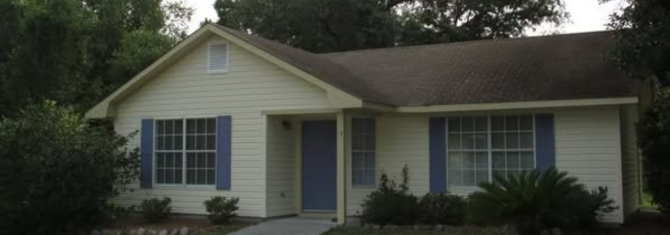
What Are Bank Owned Properties?
Bank owned properties, often referred to as REO (Real Estate Owned) properties, are homes that lenders acquire when foreclosures fail to sell at auction. Essentially, when a homeowner defaults on their mortgage and the property does not attract a successful bid at a foreclosure sale, ownership typically reverts to the bank. These properties present an opportunity for potential buyers to purchase real estate at prices below the standard market value. Banks usually list these foreclosed homes for sale through real estate agents or directly on their own websites, making them accessible to the public.
One of the main advantages of bank owned properties is the lower purchase price. Because these homes are often sold at a discount, they can be an attractive option for buyers seeking to enter the housing market at a reduced cost. This discount can make homeownership more attainable for first-time buyers or allow investors to acquire properties with the potential for future gains.
Another key benefit is the potential for investment. Bank repossessed homes can be appealing to investors who are interested in purchasing a property, renovating it, and reselling it at a profit. The opportunity to add value through upgrades or improvements can make these properties particularly appealing for those familiar with the real estate market and renovation process.
A third advantage is that in most cases, bank owned properties come with a clear title. Unlike some foreclosures, which can be complicated by liens or other claims, bank owned homes typically have straightforward ownership records. This reduces the risk of legal complications for buyers and ensures a smoother transfer of ownership once the property is purchased.
When considering purchasing bank owned real estate, it is important to approach the process with knowledge and preparation. The first step is to research and identify properties of interest. Online real estate platforms, bank websites, and listings from experienced agents are valuable tools for locating foreclosed homes in the desired area.
Financing options also require careful consideration. Many banks prefer buyers who can demonstrate mortgage pre-approval, which indicates the buyer is financially prepared to complete the transaction. Understanding the lending process and any specific qualification requirements is essential to avoid delays or complications during purchase.
Conducting a thorough property inspection is another crucial step. Bank owned homes may require repairs, and assessing the condition of the property before making an offer can prevent unexpected costs later. Hiring a professional inspector to evaluate the home’s structure, systems, and overall condition is highly recommended.
Advantages of Bank Owned Properties
-
Lower Purchase Price: These properties are often sold at a discount, making them an attractive option for buyers.
-
Potential for Investment: Investors may find bank repossessed homes appealing due to the potential for renovation and resale.
-
Clear Title: In most cases, the title on a bank owned property is clear, unlike some foreclosures that can have liens or other complications.
How to Buy Bank Owned Real Estate
When considering bank owned homes, it’s essential to approach the process with some understanding of the market. Here are some steps to guide you:
1. Research and Identify Properties
Begin by searching for foreclosed properties for sale in your desired area. Online real estate platforms and bank websites often have listings of these properties.
2. Financing Options
Consider your financing options carefully. Many banks prefer buyers who can secure pre-approval for a mortgage. Ensure you understand the lending process and potential qualification requirements.
3. Conducting Inspections
Before making an offer, it’s crucial to inspect the property. Bank owned homes may require repairs that could affect your decision. Consider hiring a professional inspector to assess the property.
4. Making an Offer
Once you find a suitable property, prepare to make an offer. Review the bank’s offer guidelines and be prepared to negotiate if necessary. Having a knowledgeable real estate agent can benefit you during this phase.
Understanding the REO Property Process
An REO property guide can help navigate the complexities associated with purchasing bank owned real estate. These guides often provide insights on what to expect in terms of processes, timelines, and costs involved.
Foreclosure Investment Guide
Investing in bank owned properties can be lucrative; however, it’s crucial to understand the risks involved. A foreclosure investment guide can offer strategies on how to maximize your investment, especially in identifying properties with the highest potential for appreciation.