Used Camper Vans Guide For Comparing Options And Features
Navigating the pre-owned leisure vehicle market requires a clear understanding of both automotive mechanics and interior living systems. Buyers searching for used camper vans encounter a diverse marketplace ranging from factory-built Class B motorhomes to custom DIY conversions. Because used camper van prices, availability, specifications, condition, and features vary significantly between individual vehicles, thorough research and systematic comparison are essential. This comprehensive used camper van guide outlines key camper van buying considerations to help shoppers evaluate choices effectively.
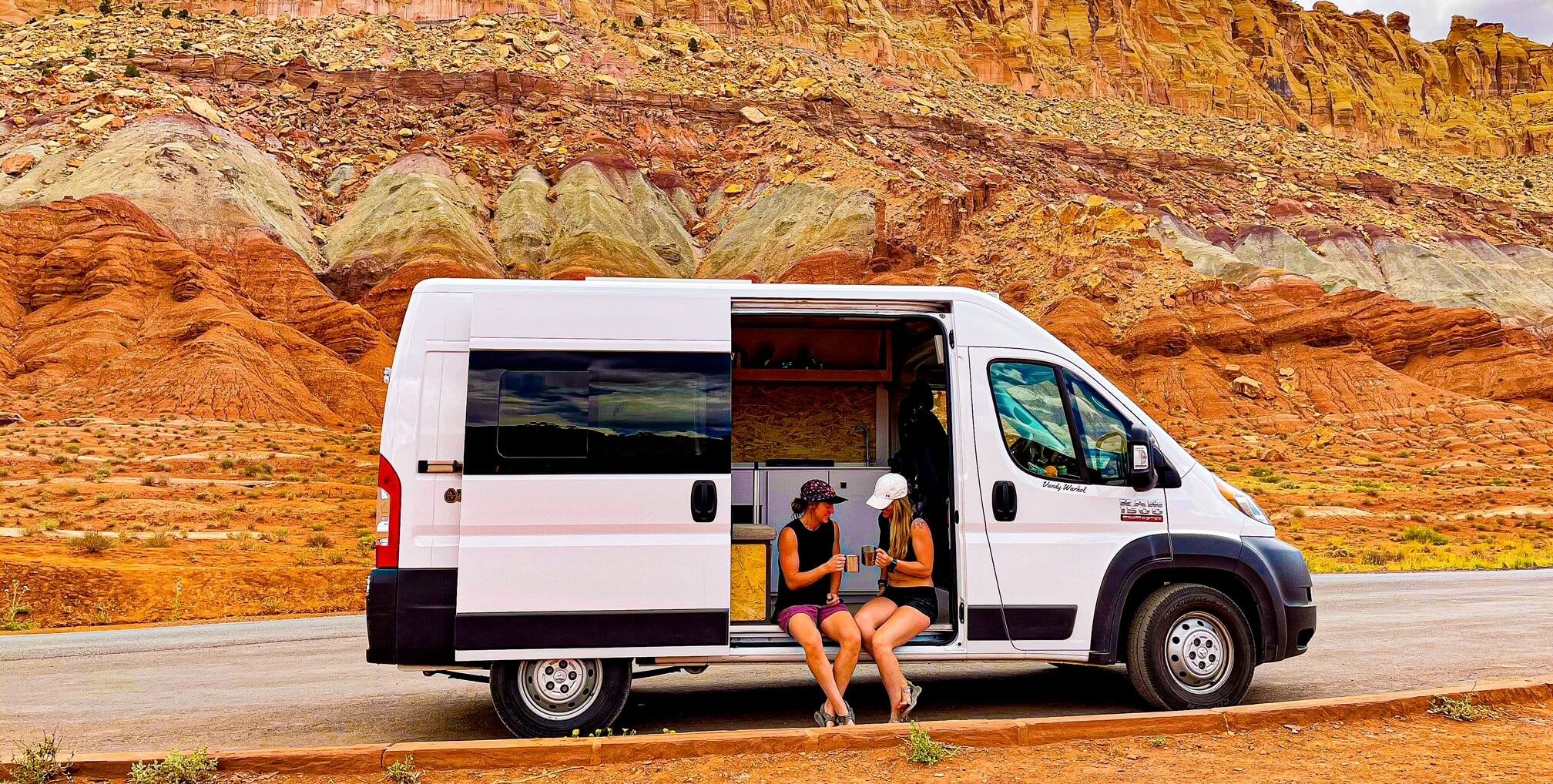
What Are Used Camper Vans?
Pre owned camper vans are motorized recreational vehicles built within standard or extended van chassis. Unlike larger RVs, camper vans preserve the driving dynamics and maneuverability of a panel van while integrating living quarters such as sleeping areas, small galleys, and electrical systems. They serve as versatile used motorhome alternatives for travelers seeking easier parking, improved fuel efficiency, and access to locations where larger rigs cannot fit.
Why People Consider Used Camper Vans
Purchasing a used vehicle allows buyers to avoid the steep initial depreciation associated with brand-new models. A pre-owned platform often provides access to higher-spec builds or professional conversion work within a given budget. Additionally, second-hand options allow buyers to test mobile living without committing to the capital investment required for a new build or factory model.
Types Of Used Camper Vans
Understanding the primary categories helps narrow down the search based on travel needs and personal comfort requirements:
-
Factory-Built Class B RVs: Constructed by established manufacturers on commercial chassis (such as the Mercedes-Benz Sprinter, RAM ProMaster, or Ford Transit). These offer standardized floor plans, certified safety equipment, and predictable layouts.
-
Professional Conversions: Built by specialized custom shops on commercial van platforms. These frequently offer tailored layouts and high-grade materials, though build specifications vary by installer.
-
DIY / Home Conversions: Built by private individuals. These range from basic, functional setups to highly sophisticated builds. They require scrutiny regarding electrical safety, structural integrity, and weight distribution.
-
Pop-Top Vans: Compact models featuring rising roofs. They maintain a lower driving profile and park easily while offering standing headroom and extra sleeping space when stationary.
What To Check Before Choosing One
A structured camper van inspection should cover both the base automotive chassis and the living habitat. Buyers should systematically evaluate mechanical condition, conversion quality, and interior components.
Inspecting The Mechanical Condition
The base vehicle must be structurally and mechanically sound before assessing living features. Important items include:
-
Engine and Transmission Condition: Check for smooth shifting, fluid leaks, smoking, and unusual noises during cold starts and test drives.
-
Maintenance History and Documents: Review service records to verify regular oil changes, timing belt replacements, fluid flushes, and brake service.
-
Accident History and Bodywork: Inspect panel alignment, paint matching, and frame rails for evidence of past collisions.
-
Rust and Corrosion: Inspect undercarriage components, wheel wells, rocker panels, and floorboards for structural rust.
-
Tires and Brakes: Check tire age codes, tread depth, even wear patterns, and brake responsiveness.
Checking The Camper Interior And Conversion
A quality camper van conversion balances comfort, weight, and durability. Key areas to inspect include:
-
Conversion Workmanship: Check that cabinetry, framing, and paneling are securely anchored to the vehicle chassis to prevent shifting or rattling while driving.
-
Roof and Window Condition: Check all roof penetrations (vents, skylights, solar mounts) and window seals for evidence of current or historical water leaks, mold, or soft spots in walls.
-
Insulation, Heating, and Ventilation: Verify the presence of proper insulation and functional ventilation fans or auxiliary heaters (such as diesel or propane heaters) for temperature regulation.
Understanding Mileage And Vehicle Age
Vehicle age and odometer readings must be evaluated together. A lower-mileage vehicle that sat idle for years may suffer from dry-rotted seals and degraded fluids, whereas a high-mileage vehicle with complete service records may offer reliable operation. Diesel and gasoline engines also age differently in terms of maintenance intervals and emission system upkeep.
Important Features To Compare
Comparing essential camper van features ensures the vehicle matches your intended usage style:
|
System / Area |
Key Features & Specifications to Compare |
|---|---|
|
Electrical Systems |
Battery setup (AGM vs. Lithium), solar charge capacity, inverter wattage, and 12V DC / 120V AC wiring layout. |
|
Plumbing & Water |
Fresh and grey water tank capacity, water pump functionality, sink setup, and presence of indoor/outdoor showers. |
|
Sleeping Capacity |
Fixed beds vs. convertible dinettes, mattress dimensions, and overhead clearance. |
|
Kitchen Equipment |
Induction or propane cooktops, 12V compression refrigerators, sink basins, and counter prep space. |
|
Storage Space |
Garage space under fixed beds, overhead cabinetry, and payload capacity (GVWR compliance). |
Questions To Ask Before Purchasing
-
Has the total loaded weight been weighed against the Gross Vehicle Weight Rating (GVWR)?
-
Are detailed electrical schematics or system manuals available for the conversion?
-
How was the vehicle stored during offseason or winter months?
-
Are all registration and ownership documents clear and matching the vehicle identification number (VIN)?
Frequently Asked Questions
Q: How do I verify a used camper van’s condition?
Buyers should perform an in-person review, conduct a thorough road test, and arrange an independent pre-purchase inspection with a certified mechanic and an experienced RV/camper specialist.
Q: Why do prices vary so widely among used camper vans?
Pricing reflects differences in base vehicle make and model, mileage, age, component quality, electrical capacity, build complexity, and overall mechanical condition.
Q: Is a factory Class B RV better than a custom conversion?
Neither is universally superior. Factory builds offer standardized testing and certified components, while custom conversions often provide tailored floor plans and modern off-grid electrical setups.
Conclusion
Selecting the right pre-owned camper van involves balancing automotive reliability with functional interior design. By establishing a systematic comparison framework—evaluating vehicle make and model, maintenance history, conversion structural integrity, electrical setups, and overall layout—buyers can identify a vehicle suited to their travel expectations. Because used vehicles vary substantially in condition, arranging an independent mechanical inspection and independently verifying all VINs, ownership documentation, maintenance records, and regional registration requirements is a recommended step before completing any purchase decision.