
Understanding Pulmonary Hypertension
Pulmonary hypertension is a serious condition affecting the arteries in the lungs and heart. It requires early detection and management.
Recognizing the symptoms and understanding the screening process are crucial steps in ensuring timely and effective treatment. In this article, we explore the key signs and the importance of screening, diagnosis, and treatment options for those affected by this condition.
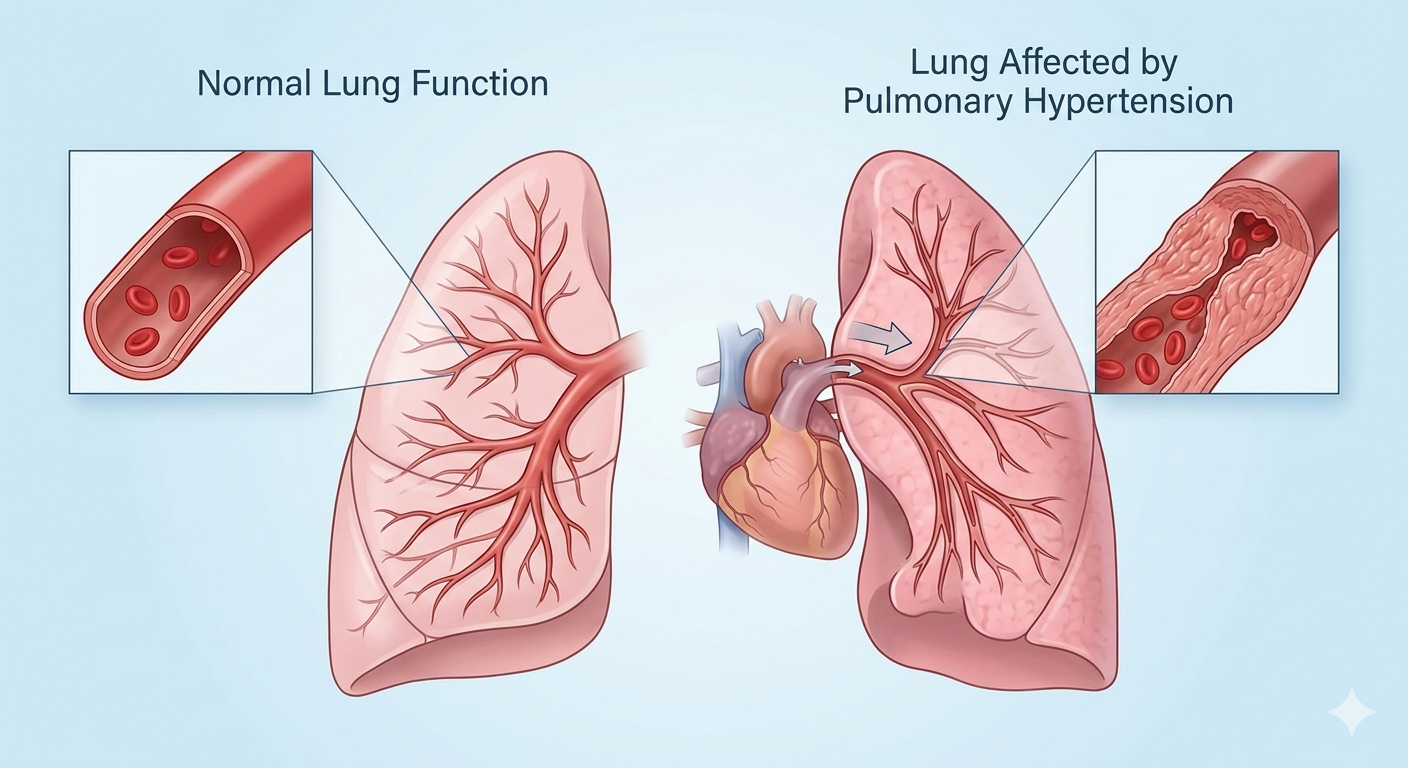
What is Pulmonary Hypertension?
Pulmonary hypertension is characterized by elevated blood pressure in the lungs’ arteries. This pressure makes it harder for the heart to pump blood through the lungs, leading to various health complications. Recognizing this condition early can dramatically improve patient outcomes. The earlier it is detected, the more effectively it can be managed with appropriate treatment options.
Recognizing the Symptoms
Understanding the symptoms of pulmonary hypertension can lead to earlier screening and diagnosis. Common symptoms include shortness of breath, fatigue, dizziness, and chest pain. These signs might be mistaken for other conditions, which underscores the importance of awareness. Swelling in the ankles or legs and a rapid heartbeat can also indicate pulmonary hypertension.
Symptoms often worsen over time, so it’s vital to consult a healthcare provider if you or someone you know experiences these signs. Early symptom recognition allows patients and doctors to take timely steps in the diagnostic process.
Importance of Screening and Diagnosis
Screening plays a crucial role in detecting pulmonary hypertension at an early stage. Healthcare providers use various methods to screen patients who are at risk. These may include echocardiograms, blood tests, and pulmonary function tests. Each method provides essential insights into how well the heart and lungs are functioning.
Accurate diagnosis is key to developing an effective treatment plan. A variety of tests and screenings may be required to confirm the presence of pulmonary hypertension and to understand its severity. Proper diagnosis allows healthcare professionals to tailor treatments to the specific needs of the patient.
Treatment Options
Once diagnosed, pulmonary hypertension can be managed with a variety of treatment options. Medications are commonly used to lower blood pressure in the lungs and improve symptoms. These may include vasodilators that help open blood vessels, easing the heart’s workload.
In addition to medication, lifestyle changes can play a significant role in managing pulmonary hypertension. Patients may be advised to adopt a low-sodium diet, engage in appropriate exercise, and avoid smoking. In more severe cases, surgical procedures or lung transplants may be considered as treatment options.
Enhancing Patient Awareness
Increasing awareness about pulmonary hypertension is essential for timely intervention and management. Educational efforts can help patients understand the importance of regular screenings, especially if they exhibit symptoms or possess risk factors. Patient support groups and medical communities are valuable resources for information and assistance.
Patients should engage in open dialogue with their healthcare providers, asking questions and discussing concerns. This proactive approach leads to better care and more informed decisions about treatment plans.
The Role of Ongoing Research
Research into pulmonary hypertension is continually expanding, leading to improved treatment protocols and patient outcomes. As new studies emerge, they contribute valuable insights into the causes, progression, and management of this condition. Staying informed about the latest advancements helps patients and healthcare providers optimize care through innovative treatments. In 2026, clinical trials are increasingly focused on disease-modifying therapies that aim to reverse vascular damage rather than just managing symptoms. By embracing these scientific breakthroughs and maintaining open dialogue between specialists and patients, the medical community is paving the way for more personalized, effective interventions that significantly enhance long-term quality of life and heart resilience.
Conclusion
Pulmonary hypertension is a serious condition that can significantly impact quality of life. Recognizing symptoms, prioritizing screening and diagnosis, understanding treatment options, and enhancing patient awareness offer pathways to better management. By focusing on these areas, patients can improve their outcomes and maintain a higher quality of life. Stay vigilant, informed, and engaged with healthcare professionals to navigate this condition successfully.