
This Guide On Rebuilt Transmissions
A rebuilt transmission is widely regarded as a practical solution for vehicles experiencing advanced drivetrain problems such as harsh shifting, slipping gears, delayed engagement, or complete transmission failure. Rather than replacing the entire unit, rebuilding focuses on restoring the existing transmission by addressing internal wear and component degradation.
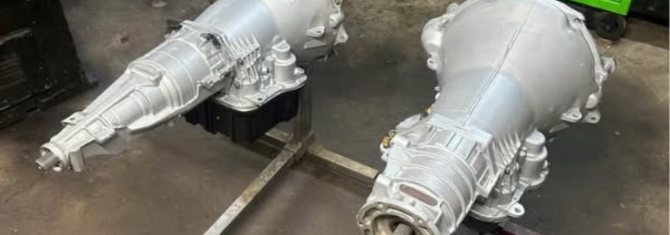
Understanding the Rebuilt Transmission Process
The rebuilt transmission process is detailed and labor-intensive. It begins with the complete removal of the transmission from the vehicle, followed by a full teardown of the unit. Every internal component is examined for signs of wear, heat damage, contamination, or structural failure. Common wear items such as clutch packs, friction plates, seals, gaskets, bushings, bearings, and bands are routinely replaced. Hard parts that meet specifications are thoroughly cleaned and reused, while damaged components are either repaired or replaced. Once reassembled, the transmission undergoes operational testing to confirm proper shifting behavior, hydraulic pressure balance, and overall functionality before being reinstalled.
Industry Standards and Quality Control
Transmission rebuilding quality can vary significantly between service providers, which is why industry standards play an important role. Many professional transmission specialists follow rebuild procedures and ethical guidelines promoted by the Automatic Transmission Rebuilders Association. These guidelines emphasize accurate diagnostics, proper tooling, precision measurements, and systematic testing. Shops that adhere to recognized standards are more likely to deliver consistent results and dependable long-term performance.
Rebuilt vs Other Transmission Replacement Options
When evaluating transmission repair options, rebuilt transmissions are often compared with remanufactured and used units. A rebuilt transmission is tailored specifically to the condition of the original transmission, addressing the exact components that have failed. Remanufactured transmissions are restored in factory environments and updated to standardized specifications, often including engineering improvements. Used transmissions, by contrast, are typically sourced from donor vehicles and installed with limited inspection, which introduces uncertainty regarding prior wear and remaining service life. Because of this, rebuilt transmissions are often seen as a balanced option between customization and reliability.
Factors That Influence Rebuild Quality
The success of a rebuilt transmission depends heavily on the rebuilder’s expertise and attention to detail. Accurate fault diagnosis ensures that underlying problems are fully addressed rather than masked. High-quality replacement parts, precise assembly tolerances, and correct hydraulic calibration are essential for proper operation. Additionally, the cleanliness of the rebuild environment and the availability of modern diagnostic equipment can significantly influence performance outcomes. Clear communication and detailed documentation from the repair shop are also strong indicators of workmanship quality.Understanding Rebuilt Transmission Costs.The cost of a rebuilt transmission can vary significantly based on several factors, including the vehicle’s make and model, the extent of the damage, the labor rates of the service provider, and the quality of replacement parts used. Generally, a rebuilt transmission can range from $1,500 to $4,000 or more, not including labor for removal and reinstallation. It is advisable to obtain multiple quotes from reputable transmission shops to compare pricing and warranty options, ensuring transparency in both parts and labor. Some shops may offer different tiers of rebuilds, impacting the final cost and warranty period.
Warranty and Long-Term Reliability Considerations
Warranty coverage is an important part of the rebuilt transmission decision, as it reflects the confidence a rebuilder has in their process. While warranty terms vary by provider, they typically cover workmanship and replaced components rather than external factors. Long-term reliability also depends on proper vehicle maintenance after installation, including regular fluid checks, timely servicing, and addressing related drivetrain issues that could place additional stress on the transmission.
When a Rebuilt Transmission Makes Sense
A rebuilt transmission is often a sensible choice when a vehicle is mechanically sound, has been well maintained, and is expected to remain in service for several more years. It is particularly suitable for owners who value restoring functionality without changing the original drivetrain configuration. Understanding the rebuild process, quality standards, and long-term considerations allows vehicle owners to approach the decision with clarity and confidence, focusing on durability and performance rather than cost alone