
Stylish Patio Overhang Designs for Comfort and Shade
Creating a comfortable and functional outdoor living space is a priority for many homeowners, and installing a patio overhang is a popular way to achieve this. A patio overhang not only provides shade and protection from the elements but also enhances the appeal of a backyard or garden area. The cost of a patio overhang can vary widely depending on several factors, including the choice of materials, size, design complexity, and installation method.
Patio overhangs have become a defining feature in modern outdoor spaces, offering homeowners a practical solution for extending the usability of patios and decks throughout the year.
These structures can range from basic prefabricated awnings to elaborate custom-built extensions that seamlessly blend with the architecture of a home. The price of a patio overhang is influenced by a combination of factors, including material selection, size, design complexity, and professional installation costs. Understanding these variables is essential for homeowners seeking to add value, comfort, and style to their outdoor living areas while maintaining control over their budget. Whether selecting a simple aluminum canopy or investing in a high-end wooden pergola, each choice carries unique cost implications and long-term benefits. Navigating the array of options available in the market requires a clear understanding of both upfront expenses and ongoing maintenance considerations, as well as awareness of local regulations and climate influences. By exploring the key price drivers and comparing popular materials and designs, homeowners can make informed decisions that maximize both functionality and return on investment.
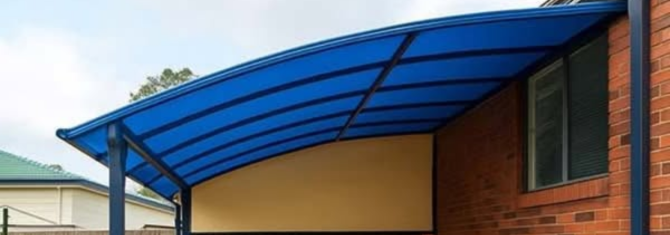
Key Factors Affecting Patio Overhang Pricing
-
When planning a patio overhang, several important factors influence the total cost. Understanding these elements can help homeowners make informed decisions that balance budget, functionality, and design preferences.
Material Selection:
The choice of material plays a major role in pricing. Options such as aluminum, wood, vinyl, and steel each come with different cost levels, durability, and maintenance requirements. For example, aluminum is lightweight and low-maintenance, while wood offers a classic look but may require more upkeep over time.
Size and Coverage Area:
The overall dimensions of the overhang directly affect the cost. Larger structures require more materials and labor, increasing the total investment. It’s important to plan the size carefully to meet your needs without exceeding your budget.
Design Complexity:
Simple, standard designs are generally more affordable, while custom-built overhangs with detailed finishes, unique shapes, or added features like lighting and ceiling fans can significantly raise costs.
Installation Method:
Hiring professional contractors ensures proper installation and adherence to building codes, but it adds to the expense. Alternatively, DIY kits can reduce labor costs, though they require skill, time, and the right tools.
Permits and Local Regulations:
In many areas, permits are required for structural additions. These can add fees and extend project timelines, so it’s important to check local regulations before starting.
Climate and Maintenance:
Environmental conditions influence both material choice and long-term costs. Regions with heavy rain, wind, or snow may require stronger, more durable materials, which can increase upfront expenses but reduce maintenance over time.
Comparison of Popular Patio Overhang Materials
Choosing the right material is a critical decision that balances aesthetics, durability, and budget. The table below provides an overview of common patio overhang materials, their typical price ranges, and key characteristics.
|
Material |
Average Price per Square Foot (CAD) |
Durability |
Maintenance |
Common Brands |
|---|---|---|---|---|
|
Aluminum |
CAD25 – CAD45 |
High |
Low |
Four Seasons Sunrooms, Craft-Bilt |
|
Wood (Cedar/Pine) |
CAD40 – CAD85 |
Medium to High |
Moderate |
TimberTown, CanWel |
|
Vinyl |
CAD30 – CAD55 |
Medium |
Low |
Veka, Royal Building Products |
|
Steel |
CAD50 – CAD90 |
Very High |
Low to Moderate |
Vicwest, Ideal Roofing |
Budgeting and Planning for a Patio Overhang
-
Define Your Needs: Consider how you intend to use the space—entertaining, dining, relaxing—and determine the appropriate size and features.
-
Set a Realistic Budget: Factor in both upfront costs and ongoing maintenance. Include a contingency for unexpected expenses such as permit fees or site preparation.
-
Consult Professionals: Seek quotes from reputable local contractors, such as Four Seasons Sunrooms or TimberTown, to compare services and ensure compliance with local regulations.
-
Review Warranty and Aftercare: Assess the warranty terms offered by manufacturers and installers, as well as the recommended maintenance schedule for the chosen material.
Frequently Asked Questions
-
Is a permit required for a patio overhang? In most urban areas, a building permit is required for structural additions. Always check with your local building authority before starting construction.
-
How long does installation typically take? Depending on complexity, installation can range from a single day for prefabricated kits to several weeks for custom builds.
-
What is the expected lifespan of a patio overhang? With proper maintenance, aluminum and steel overhangs can last 20 years or more, while wood structures may require refinishing or repairs over time.
-
Can a patio overhang increase property value? A well-designed, professionally installed patio overhang can enhance outdoor living space and may contribute to increased property value.
Key Takeaways
-
Material choice, size, and design complexity are primary drivers of patio overhang pricing.
-
Professional installation and adherence to local regulations ensure safety and long-term value.
-
Ongoing maintenance requirements should be factored into the total cost of ownership.
-
Consulting with established brands and contractors can provide peace of mind and quality assurance.