Read More About Northern Lights Cruises for 2026
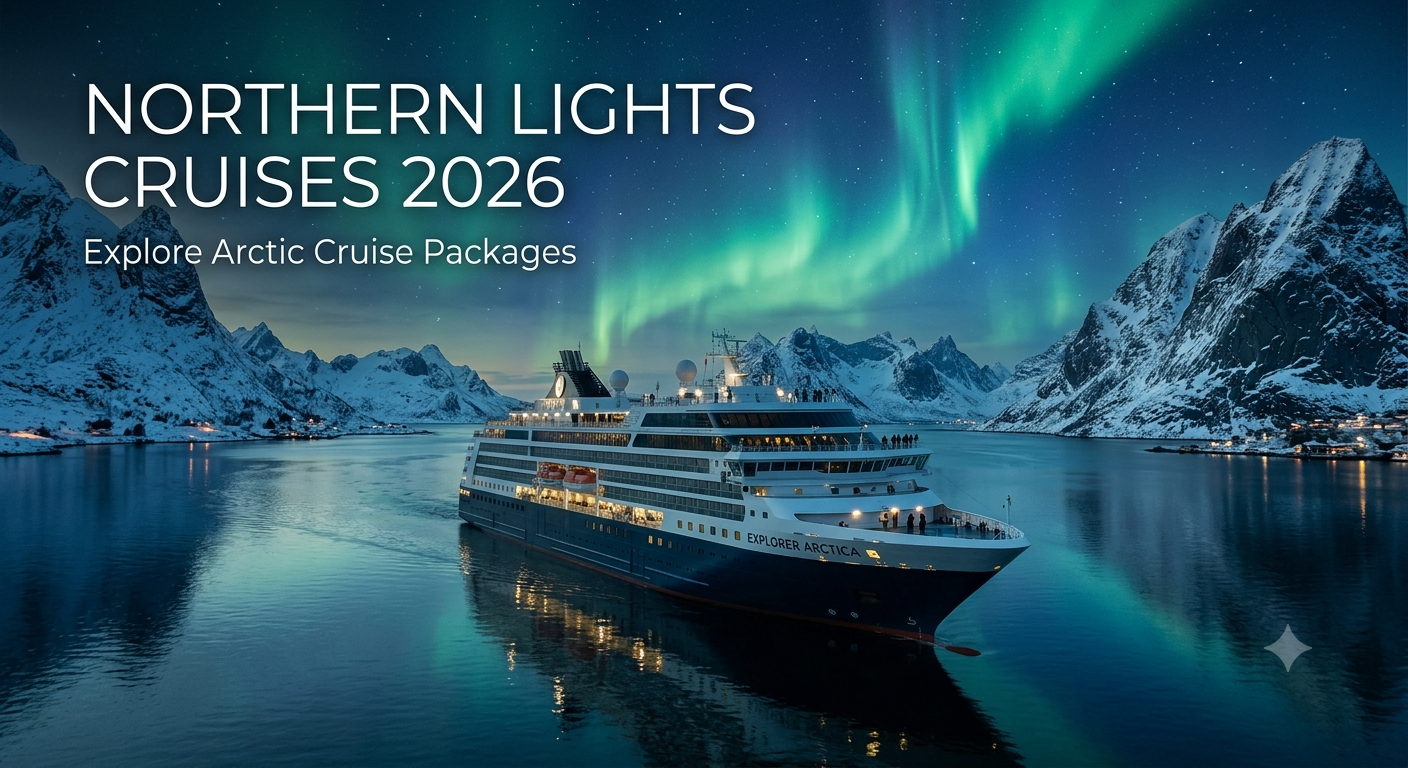
Planning a journey into the high latitudes to view the aurora borealis is one of the most rewarding winter travel experiences available. Northern Lights cruise packages for 2026 offer a distinct advantage over land-only trips: ships act as mobile observatories, sailing away from urban light pollution and maneuvering around localized cloud cover along coastal waterways.
Navigating the options requires balancing destination preferences, itinerary lengths, onboard amenities, and land-based activities.
What Is Included in a Northern Lights Cruise Package?
Package structures vary depending on whether you book directly with a cruise line or through a specialized tour operator. Standard offerings generally divide into two formats:
-
Cruise-Only Packages: Typically cover onboard accommodations, main dining meals, and access to general viewing decks. Some lines also include unlimited drinks or expert lectures on astronomy and Arctic history.
-
Land-and-Sea Packages: Combine coastal sailings with extended overland arrangements. These often feature pre- or post-cruise hotel stays, scenic winter rail journeys (such as the Flåm or Dovre Railways), transfers, and bucket-list winter activities.
Tip: Always check if international flights, airport transfers, land excursions, and thermal gear rentals are included in the base price or treated as optional add-ons.
Popular Northern Lights Cruise Destinations
The most frequented routes operate along the rugged coastline of Northern Norway, positioning ships directly under the Auroral Oval—the zone surrounding the geomagnetic pole where aurora activity occurs most frequently.
-
Tromsø: Known as the “Gateway to the Arctic,” this lively city is a major hub for Northern Lights voyages and winter excursions.
-
Alta: Located further inland along the Altafjord, Alta benefits from a drier climate with frequent clear skies, making it a famous location for aurora viewing.
-
The North Cape (Honningsvåg): Positioned near 71°N latitude, visiting Europe’s northernmost point offers extreme polar night conditions ideal for long viewing windows.
-
Lofoten & Vesterålen Islands: Famous for dramatic granite peaks rising straight out of the sea, providing a stunning natural backdrop for nighttime photography.
Comparing Cruise Options for 2026
|
Cruise Type |
Typical Experience |
Possible Destinations |
What to Compare |
|---|---|---|---|
|
Coastal Express / Mail Ships |
Working coastal vessels with frequent port stops; local focus and authentic dining |
Bergen to Kirkenes roundtrip, Norwegian fjords |
Port call durations, onboard amenities, meal style inclusions |
|
Expedition & Boutique Cruises |
Smaller ships navigating narrower fjords with dedicated expedition teams |
Svalbard, North Cape, remote Arctic settlements |
Landings by Zodiac boat, expedition team expertise, gear rental options |
|
Ocean Liners & Large Ships |
Larger resort-style ships departing from UK or Central Europe |
Norwegian coast, Reykjavik (Iceland), Shetland Islands |
Days at sea to reach Arctic waters, shipboard entertainment, deck access |
|
Land-and-Sea Packages |
Multi-modal itineraries combining trains, coastal ships, and glass igloos |
Oslo, Bergen, Norwegian Fjords, Finnish Lapland |
Guided vs. self-guided legs, hotel tiers, included excursions |
Different Cruise Lengths to Consider
Matching your trip duration to your available travel time changes how much of the Arctic you can see:
-
Short Taster Sailings (4–6 Days): Usually target a focused stretch, such as flying into Tromsø and cruising down to Bergen or east toward Kirkenes.
-
Classic Coastal Voyages (7–12 Days): The traditional roundtrip routes along the Norwegian coast cross the Arctic Circle twice, giving multiple nights in optimal aurora territory.
-
Grand Arctic Expeditions (14–17+ Days): Extended journeys departing directly from European ports (like Copenhagen, Hamburg, or Southampton) or incorporating Finnish Lapland overland segments.
Choosing the Right Time to Travel
The Northern Lights require dark skies to be visible. In the High Arctic, the aurora season runs roughly from late September through late March.
-
Autumn (September – October): Offers milder temperatures, open landscapes without heavy snow cover, and colorful twilight hours.
-
Polar Winter (November – January): Brings the deep polar night, where the sun remains below the horizon. This provides extended darkness for maximum viewing opportunities, though daylight for daytime sightseeing is minimal.
-
Late Winter / Early Spring (February – March): Features crisp snowy landscapes, increasing daylight hours for winter sports, and strong nighttime aurora activity.
Shore Excursions and Arctic Experiences
While viewing the sky from the top deck is a main highlight, shore excursions allow travelers to explore winter wilderness environments:
-
Dog Sledding & Snowmobiling: Zip across frozen plateaus and through snowy pine forests.
-
Sámi Cultural Encounters: Learn about indigenous reindeer herding traditions, folklore, and Arctic survival techniques.
-
Husky Safaris & Snow Hotels: Overnight stays in ice hotels or glass igloos on select extended land-and-sea packages.
-
Winter Fjord & Wildlife Safaris: Daytime boat trips searching for sea eagles, seals, or wintering whale populations.
Understanding Aurora Viewing Expectations
The Northern Lights are a natural solar phenomenon caused by charged particles interacting with Earth’s magnetic atmosphere. Because of this, sightings cannot be guaranteed on any specific sailing. Viewing depends entirely on three key variables:
-
Solar Activity: Increased solar flares generate stronger geomagnetic storms.
-
Cloud Cover: Clear, dark skies are necessary to see the lights from the ground or deck.
-
Light Pollution: Standing on a dark ship deck at sea provides ideal contrast compared to bright city centers.
The “Northern Lights Guarantee”: Some dedicated coastal operators offer a policy for sailings of 11 days or more during peak season: if the bridge team registers no official aurora sightings during the trip, passengers receive a complimentary shorter voyage to try again. Always check operator-specific terms to see if this applies.
What to Compare Before Booking
Before confirming a Norway Northern Lights cruise or Arctic cruise 2026 itinerary:
-
Cabin Types & Observation Decks: Check if your cabin has easy access to outer decks, or if the ship features a 24-hour aurora announcement system sent to your room.
-
Excursion Policies: Clarify which shore activities are included in the base fare versus paid extra options.
-
Cancellation & Travel Insurance: Ensure your insurance covers winter weather disruptions, flight delays, and Arctic medical protection.
-
Packing & Thermal Clothing: Temperatures routinely drop below freezing. Verify if the cruise line provides specialized thermal suits and boots for excursions, or if you must pack multi-layer Arctic clothing.
FAQ
Can a Northern Lights sighting be guaranteed on a cruise?
No. The aurora borealis is a natural weather-dependent event. While coastal ships position you in optimal viewing zones, clear skies and geomagnetic activity are required.
What is the best month for a 2026 Northern Lights cruise?
Sailing between October and March offers the long, dark nights needed for viewing. December and January provide the longest hours of darkness, while October and March offer milder weather and more daylight for shore activities.
What should I pack for a winter Arctic cruise?
Pack a windproof and waterproof outer shell, thermal base layers (merino wool), insulated boots, fleece mid-layers, warm gloves, a hat, and a headlamp with a red-light setting for night deck walking.
Are meals included on Northern Lights cruises?
Most standard cruise fares include full board (breakfast, lunch, and dinner) on the ship. Land-and-sea packages may vary on which land meals are covered, so check the specific itinerary breakdown.
Is a coastal ship different from an ocean cruise liner?
Yes. Norwegian coastal ships are smaller, functional vessels designed to navigate narrow waterways and stop at remote coastal ports. Larger ocean liners offer more resort-style entertainment but cannot access smaller harbors.
Preparing for Your 2026 Arctic Journey
Selecting from the range of Northern Lights cruises 2026 comes down to choosing your ideal balance of sea time, land exploration, and comfort. Whether you book a classic 12-day coastal voyage or an immersive land-and-sea package, reviewing itinerary routes, included amenities, and booking terms in advance ensures a smooth trip north. Always double-check exact 2026 sailing schedules and package details directly with travel providers before booking.