Read More About Australia cruises for seniors
Planning a cruise around Australia can feel exciting and, at times, a little overwhelming. With so many itineraries, ship types, and departure ports to choose from, older travelers researching Australia cruises for seniors often want practical, straightforward information rather than sales pitches. This guide walks through the main factors worth considering — from itinerary style and cruise duration to accessibility, dining, and shore excursions — so you can build your own checklist and compare options that suit your personal needs.
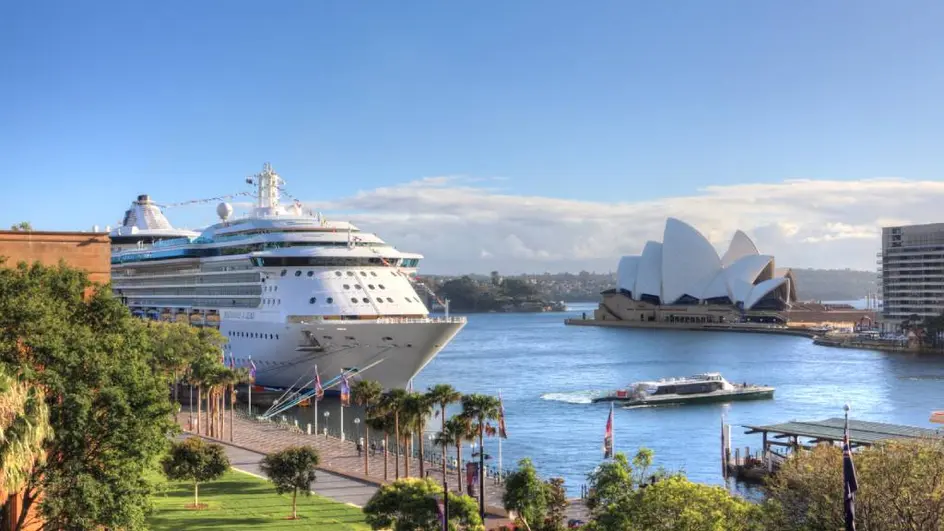
Why Consider An Australian Cruise
Cruising is a popular way to see multiple destinations without repeatedly packing and unpacking, arranging separate flights, or driving long distances. For many older travelers, this convenience is a major draw. Meals, accommodation, and transportation between ports are generally bundled into one experience, and onboard staff are typically available to assist with a range of needs. That said, cruising suits some travelers better than others, and it’s worth thinking honestly about your own mobility, energy levels, and preferences before booking.
Popular Australian Cruise Itinerary Types
Cruises around Australia vary widely. Some focus on the eastern coastline, stopping at ports such as Sydney, Brisbane, and Cairns, often with access to the Great Barrier Reef region. Others explore the southern coast, calling at Melbourne, Adelaide, and sometimes Hobart in Tasmania. Western Australia itineraries may include Perth or Fremantle, along with more remote coastal stops. There are also longer repositioning cruises and international itineraries that combine Australian ports with New Zealand or South Pacific destinations. Each itinerary type offers a different pace, climate, and mix of urban versus natural scenery, so it helps to think about which regions genuinely interest you.
Choosing A Cruise Duration
Cruise duration is one of the most personal decisions in senior cruise travel. Shorter cruises of three to seven days can be a good way to test whether cruising suits you, with less time away from home and fewer port changes. Longer cruises, sometimes two weeks or more, allow for a more relaxed pace with additional sea days between ports, which some older travelers prefer over frequent early-morning disembarkations. There is no universally “right” length — it depends on your stamina, schedule, and how much port-hopping you enjoy.
Departure Ports To Consider
Australian cruise itineraries commonly depart from major coastal cities. Cruises from Sydney are especially common due to the city’s harbor and international flight connections. Cruises from Brisbane and cruises from Melbourne are also widely available, along with departures from Adelaide, Fremantle, and occasionally Cairns or Hobart. When comparing options, consider how easy it will be to reach the departure port, whether pre-cruise accommodation is needed, and how much travel time you’re comfortable with on embarkation day.
What To Look For In A Cruise Ship
Ships vary considerably in size, layout, and onboard facilities. Larger ships often have more extensive medical facilities, a wider range of dining venues, and more entertainment options, while smaller ships may offer shorter walking distances and a quieter atmosphere. It’s worth researching whether a ship has onboard medical staff, the general layout of public areas, elevator access, and the variety of dining options, from formal restaurants to casual or flexible meal times. Entertainment offerings differ too, ranging from lectures and live music to theater shows and quiet lounges.
Accessibility And Comfort Considerations
Accessibility needs differ from person to person, so it’s important to review specific details rather than assume a ship or itinerary will automatically suit you. Consider cabin location relative to elevators and dining areas, availability of accessible cabins, and whether mobility aids such as wheelchairs or scooters can be accommodated in hallways and cabins. If you use mobility devices or have specific medical requirements, contacting the cruise line directly to confirm current accessibility features is a reliable way to get accurate information.
Shore Excursions And Port Activities
Shore excursions vary in physical intensity, from gentle city tours to more strenuous hikes or water activities. When comparing Australia cruise itineraries, look closely at excursion descriptions, including walking distances, terrain, and duration, so you can select activities that match your comfort level. Many ports also allow independent exploration for travelers who prefer a slower, self-guided pace.
How To Compare Cruise Itineraries
A useful approach is to list your priorities — preferred regions, cabin type, budget, duration, and accessibility needs — then compare several itineraries against that list. Note differences in port time versus sea days, included versus optional excursions, and dining flexibility. This method helps separate genuine fit from marketing language.
Planning Before Departure
Before finalizing plans, confirm passport and visa requirements for your nationality and itinerary, arrange appropriate travel insurance, and check seasonal weather patterns for your chosen route, since conditions vary between northern and southern Australia. Review the cruise line’s cancellation policy, and plan transportation to and from the port in advance, including any accommodation needed before or after the cruise.
Frequently Asked Questions
Are Australian cruises suitable for older travelers with limited mobility? This depends on the specific ship, cabin, and itinerary. Contact the cruise line directly to confirm accessibility features before booking.
How far in advance should I book? Timelines vary by cruise line and season; checking official sources for current availability is recommended.
Do I need a visa to cruise around Australia? Requirements depend on your nationality and itinerary. Check with official government or consular sources.
Conclusion
Australian cruise holidays offer a flexible way to explore the country’s coastline, but the right choice depends on your individual mobility, interests, and travel pace. Rather than assuming one itinerary or ship suits every older traveler, use the categories above — duration, departure port, ship facilities, accessibility, and excursion intensity — to build a comparison checklist tailored to you. Before making any arrangements, verify current itineraries, ship facilities, accessibility information, travel documentation, pricing, cancellation terms, and availability directly with the relevant official cruise line or travel provider, as details can change over time.