Learn More About Finding the Right Depression Treatment
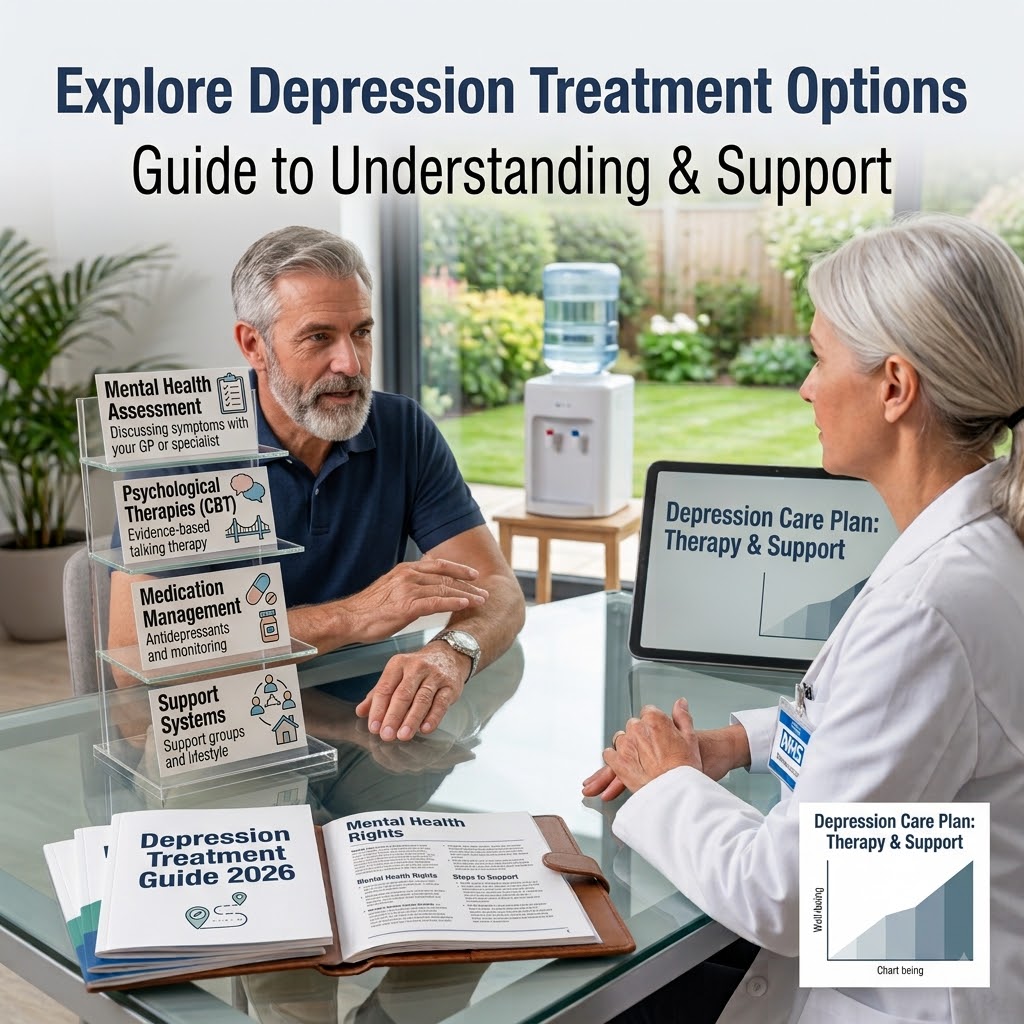
Comparing depression treatment options requires recognizing that mental health care is rarely one-size-fits-all. According to the National Institute of Mental Health (NIMH), depression is typically managed through psychotherapy, medication, or a combination of both.
Developing an effective care plan depends on evaluating individual needs, symptom severity, medical history, personal preferences, and lifestyle factors in collaboration with a healthcare provider.
Core Treatment Modalities: A Side-by-Side Look
|
Feature |
Psychotherapy (Talk Therapy) |
Pharmacotherapy (Medication) |
Combined Therapy |
|---|---|---|---|
|
Primary Goal |
Build coping strategies, modify thought patterns, resolve underlying stressors |
Regulate brain chemistry and neurochemical pathways to reduce physical and mood symptoms |
Address neurochemical imbalances while simultaneously developing long-term psychological resilience |
|
Common Formats |
Cognitive Behavioral Therapy (CBT), Interpersonal Therapy (IPT), Acceptance and Commitment Therapy (ACT) |
SSRIs, SNRIs, NDRIs, atypical antidepressants |
Outpatient therapy sessions alongside psychiatric medication management |
|
Typical Timeline |
Immediate skills practice; noticeable changes often emerge over 6 to 12 sessions |
Initial physical shifts in 1 to 2 weeks; full therapeutic effect typically takes 4 to 8 weeks |
Dual timeline; medication helps stabilize symptoms to make therapy more active and accessible |
|
Key Advantage |
Teaches lifelong behavioral and emotional tools with no chemical side effects |
Can rapidly lower severe symptom intensity and restore daily functioning |
Often yields higher success and lower relapse rates for moderate-to-severe depression |
Understanding Psychotherapy Approaches
Evidence-based talk therapy helps individuals recognize and adjust thought and behavior patterns contributing to depression:
-
Cognitive Behavioral Therapy (CBT): Focuses on identifying negative or distorted thought patterns (cognitive distortions) and replacing them with balanced perspectives and constructive behaviors.
-
Interpersonal Therapy (IPT): Focuses on improving personal relationships, communication styles, unresolved grief, life transitions, and social roles that impact mood.
-
Psychodynamic & Other Modalities: Explores unresolved past conflict or unconscious patterns, while approaches like Acceptance and Commitment Therapy (ACT) emphasize psychological flexibility and values-based action.
Antidepressant Medications & Important Considerations
When medication is recommended—often for moderate, severe, or persistent depressive episodes—healthcare providers select options based on symptom profiles and medical history.
                    [ Provider Assessment ]
                               |
       +-----------------------+-----------------------+
       |                                               |
[ Select Class ]                               [ Monitor Response ]
       |                                               |
• SSRIs (e.g., Sertraline, Fluoxetine)          • Weeks 1-2: Sleep/energy changes
• SNRIs (e.g., Venlafaxine, Duloxetine)         • Weeks 4-8: Mood stabilization
• NDRIs (e.g., Bupropion)                       • Ongoing: Side effect evaluation
-
Timeline for Results: Antidepressants do not work instantly. While small improvements in sleep, appetite, or physical energy may occur within the first two weeks, significant mood stabilization generally takes 4 to 8 weeks of consistent use.
-
Potential Side Effects: Common early side effects include mild nausea, headaches, temporary sleep disturbances, fatigue, or sexual dysfunction. Most early side effects diminish after a few weeks, but any persistent discomfort should be reviewed with your prescriber.
-
Safe Discontinuation: Never stop taking or alter the dosage of an antidepressant suddenly without professional guidance. Abrupt cessation can trigger withdrawal-like symptoms (antidepressant discontinuation syndrome) or a rapid return of depression symptoms.
Selecting a Therapist or Provider
Finding the right clinical fit is crucial to therapy success. When evaluating mental health professionals, compare:
-
Credentials & Licensing: Differentiate between Psychiatrists (MD/DO who prescribe medication), Clinical Psychologists (PhD/PsyD who offer specialized testing and therapy), and Licensed Therapists/Counselors (LCSW, LMFT, LPC who provide evidence-based psychotherapy).
-
Clinical Specialization: Confirm the provider has verified experience treating mood disorders using specific evidence-based frameworks (like CBT or IPT).
-
Logistics & Accessibility: Evaluate practical factors including session costs, insurance coverage, in-person vs. telehealth availability, and appointment scheduling lead times.
-
Therapeutic Alliance: The quality of the working relationship matters significantly. It is reasonable to ask preliminary questions about their treatment style during an initial consultation to gauge comfort.
Next-Step Options for Treatment-Resistant Depression
If initial psychotherapy or standard antidepressant trials fail to deliver sufficient relief—a scenario referred to as treatment-resistant depression—healthcare providers may explore advanced options:
-
Medication Adjustments: Switching to a different drug class, optimizing dosage, or adding an augmenting agent (such as an atypical antipsychotic, lithium, or mood stabilizer).
-
Interventional Therapies: Options such as Transcranial Magnetic Stimulation (TMS—a non-invasive magnetic brain stimulation technique), nasal esketamine treatments administered under medical supervision, or Electroconvulsive Therapy (ECT) for severe, acute cases.
The Importance of Professional Evaluation
Because depressive symptoms can overlap with underlying physical health issues—such as thyroid dysfunction, vitamin deficiencies, or hormonal imbalances—a comprehensive medical evaluation by a primary care physician or psychiatrist is the essential first step. A qualified provider will help weigh treatment benefits, monitor progress, and make safe, informed adjustments over time.