How To Use Vinegar For Weed Control Guide For Home Gardens
Managing unwanted vegetation is a routine part of home horticulture. Gardeners exploring natural weed control methods frequently consider vinegar as a potential tool for spot-treating unwanted plants. While vinegar can affect plant foliage, understanding its mechanical action, effectiveness, and limitations is essential for successful garden weed management. This guide outlines how vinegar works on plant tissue, which weed types respond best, essential safety considerations, and effective alternative weed control strategies
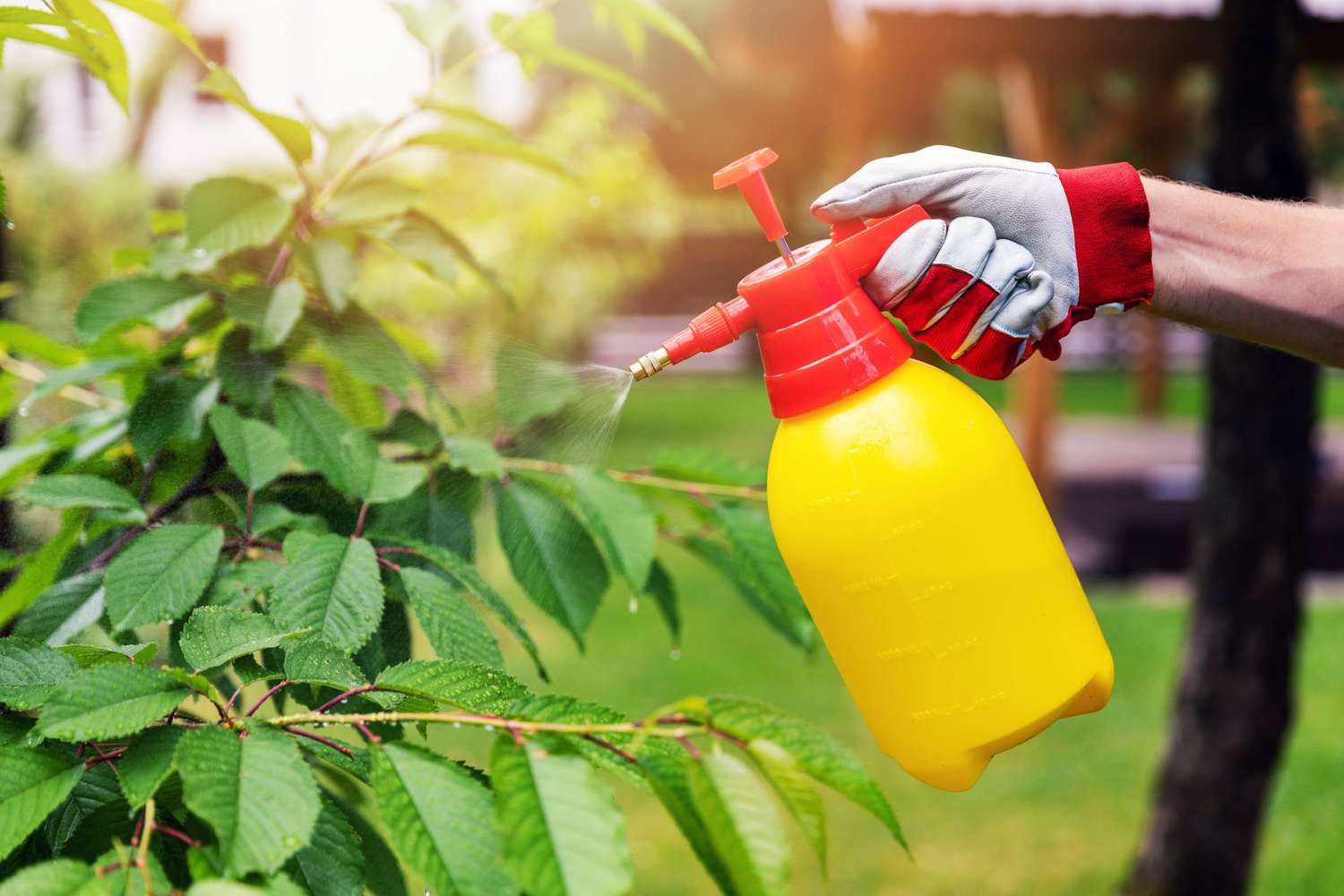
How Vinegar Affects Weeds
Vinegar contains acetic acid, a compound that acts as a desiccant when applied to green foliage. When acetic acid contacts a plant’s leaves or stems, it breaks down the protective waxy cuticle layer and disrupts cell membranes. This process causes rapid moisture loss, leading to visible browning and wilting of the exposed foliage. However, acetic acid functions strictly as a contact treatment—it damages only the plant tissue directly sprayed and does not travel, or translocate, throughout the plant’s vascular system.
What Types Of Weeds May Be Affected
The responsiveness of vegetation to vinegar depends significantly on plant maturity, stem structure, and root dynamics:
-
Young Annual Weeds: Small, newly sprouted annual weeds with thin cuticles and shallow root systems are most susceptible to foliage desiccation. Treating them early reduces their ability to produce seeds.
-
Broadleaf vs. Grassy Weeds: Broadleaf annuals present wider leaf surfaces that easily absorb contact sprays, whereas grassy weeds often feature narrow, upright blades and waxy coatings that shed liquid sprays more readily.
Why Vinegar May Not Work On Every Weed
Because vinegar acts purely on contact, its ability to manage established or persistent plants is limited:
|
Factor |
Impact on Vinegar Performance |
|---|---|
|
Systemic Action |
Vinegar does not move down into root tissue. The roots remain viable underneath the soil surface. |
|
Perennial Root Systems |
Established perennials (such as dandelions or Canada thistle) easily regrow new shoots from stored root energy following top-kill. |
|
Plant Maturity |
Mature plants with thick cuticles and woody stems resist foliage damage and recover quickly. |
|
Concentration Differences |
Standard household vinegar for weeds contains roughly 5% acetic acid, which may only burn leaf tips on established plants. Horticultural vinegars (typically 20% concentration) are specifically formulated and registered for weed suppression, requiring strict safety adherence. |
How To Apply Vinegar Carefully
When using vinegar on weeds, precision is critical to prevent unintended damage to surrounding landscape elements:
-
Apply using a targeted spray nozzle or applicator to direct liquid exclusively onto unwanted foliage.
-
Avoid oversaturating the area to prevent excessive runoff into adjacent soil.
-
Focus applications on non-crop areas, such as patio pavers, gravel walkways, and driveway cracks, where desirable root systems are absent.
Protecting Nearby Plants
Vinegar is non-selective; it affects desirable garden plants, lawn grasses, and shrubs just as readily as weeds. A drift of fine spray carried by air currents can burn foliage on neighboring flowers or vegetables. To protect desirable landscape plants, use shielding devices (such as cardboard or plastic barriers) around target foliage during application.
Weather And Timing Considerations
Environmental conditions directly influence the contact activity of acetic acid:
-
Sunlight and Heat: Warm, sunny days accelerate foliage desiccation, enhancing visual results.
-
Rainfall and Moisture: Rain or overhead irrigation shortly after application washes the solution off leaves before it can penetrate the cuticle, rendering treatment ineffective.
-
Wind Conditions: Calm weather prevents spray drift onto non-target vegetation.
Safety And Product Label Guidance
Safety considerations vary significantly based on product concentration:
-
Household Vinegar: Standard 5% kitchen vinegar is generally handled without specialized equipment, though eye protection is always advisable.
-
Horticultural Vinegar: Commercial products containing higher acetic acid concentrations (e.g., 20%) can cause severe skin burns and permanent eye damage. Always read and strictly follow all product label instructions, wearing eye protection, chemical-resistant gloves, long sleeves, and pants.
-
Chemical Safety Rules: Never mix vinegar with bleach, ammonia, or other household chemicals. Combining vinegar with bleach produces toxic chlorine gas, creating severe respiratory hazards.
Alternative Weed Control Methods
Comprehensive weed control methods integrate multiple non-chemical techniques for long-term garden health:
|
Method |
Application & Mechanism |
|---|---|
|
Manual Removal |
Hand-pulling or using a weeding tool to extract root structures of perennial weeds. |
|
Organic Mulching |
Applying 2–3 inches of wood chips, straw, or bark to block light and suppress germination. |
|
Flame / Thermal Weeding |
Using targeted heat tools on non-flammable surfaces (driveways, pavers) to burst leaf cells. |
|
Dense Planting |
Establishing thick ground covers and garden beds to shade out opportunistic weed seeds. |
Frequently Asked Questions
Q: Will vinegar harm my garden soil?
Light foliage contact generally leaves soil intact, but excessive or repeated soil drenching can temporarily lower soil pH and impact localized soil microbiology.
Q: Why do weeds grow back after being sprayed with vinegar?
Vinegar destroys above-ground green tissue but leaves root systems unharmed. Perennial plants use stored root energy to push up new growth shortly after treatment.
Q: Is household vinegar equivalent to commercial herbicides?
No. Household vinegar is a food product with a low acetic acid concentration (~5%), whereas commercial herbicides undergo rigorous registration, safety testing, and formulation for specific pest control uses.
Conclusion
Understanding how vinegar functions helps gardeners incorporate it realistically within broader vinegar for weed control practices. While effective for temporary foliage desiccation on young annual weeds in non-crop areas, it does not provide systemic root destruction or permanent removal for established perennials. Always identify target weeds first, protect nearby desirable plants, read applicable product labels carefully, and consult local extension services or horticultural experts to choose the safest, most effective weed management plan for your landscape.