Guide to Know About Boston Round Trip Cruises in 2026
Planning a vacation around a round-trip cruise departing from Boston offers a distinct travel advantage: zero domestic flight connections on the return leg, seamless logistics out of Flynn Cruiseport Boston (Black Falcon Cruise Terminal), and immediate access to classic Atlantic routes.
Whether you are looking to explore historic New England, venture into Atlantic Canada, or sail south to the pink sand beaches of Bermuda, understanding the layout of round-trip itineraries, vessel choices, and cost components is essential before booking.
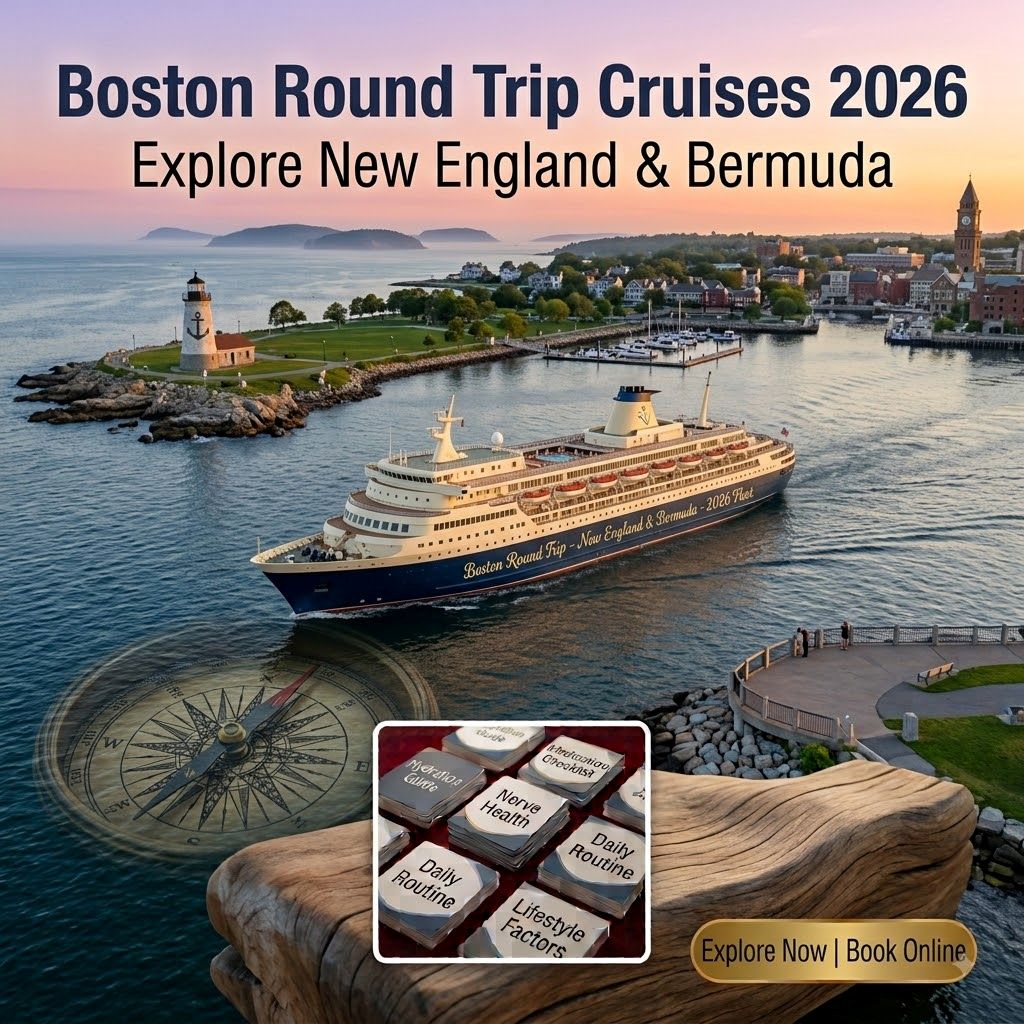
What a Round-Trip Cruise from Boston Means
A round-trip cruise departs from Flynn Cruiseport Boston, journeys through a planned set of ports, and returns directly to Boston to disembark passengers.
-
Logistical Convenience: Eliminates the need to book one-way open-jaw flights or arrange complex multi-airport transportation.
-
Easy Access: Flynn Cruiseport is located just minutes from Boston Logan International Airport (BOS) and South Station, making it exceptionally accessible for both fly-in guests and regional drive-in travelers.
-
Streamlined Packing: You board and unpack once, returning to your starting point without mid-trip hotel transfers or secondary luggage handoffs.
Popular Routes & Destinations
When sailing round-trip out of Boston, itineraries generally head in two distinct directions depending on the time of year: north/east toward Maritime Canada and Coastal New England, or south into the mid-Atlantic to Bermuda.
1. Canada & New England Itineraries
These itineraries are famous for rugged coastal landscapes, historic maritime villages, fresh seafood, and vivid fall foliage in late summer and autumn.
-
Bar Harbor, Maine: Gateway to Acadia National Park, known for historic coastal charm, mountain vistas, and lobster bakes.
-
Portland, Maine: Famous for its historic Old Port district, brick walkways, Victorian architecture, and vibrant food scene.
-
Halifax, Nova Scotia: A rich maritime port featuring the historic Citadel, expansive harbor boardwalk, and tours to Peggy’s Cove.
-
Saint John, New Brunswick (Bay of Fundy): Home to dramatic tides—the highest in the world—and the famous Reversing Falls Rapids.
2. Bermuda Cruise Options
Sailing directly across the Atlantic from Boston to Bermuda provides a blend of sea days and extended island exploration.
-
Royal Naval Dockyard: Ships dock at Bermuda’s western tip, serving as the central hub for island-wide exploration.
-
Multi-Day Docking: Unlike standard single-day port stops, many round-trip Bermuda sailings stay docked overnight for 2 to 3 days, allowing travelers to explore beaches, golf courses, and nightlife without rushing back to the ship.
Typical Cruise Lengths
Cruises out of Boston range from 7-night classic getaways to longer, in-depth regional explorations:
-
7-Night Itineraries: The most common format. Typically includes 3–4 port calls balanced with 2 relaxing sea days. Popular for both Bermuda loops and Canada/New England highlights.
-
8- to 11-Night Itineraries: Extended coastal or island sailings that add secondary ports such as Sydney (Nova Scotia), Prince Edward Island, or additional New England towns.
-
12+ Night Itineraries: In-depth regional voyages or seasonal repositioning sailings that combine multiple regions.
Large-Ship vs. Small-Ship Cruises
The onboard experience out of Boston varies significantly depending on the class and size of the vessel you choose.
|
Feature |
Large Ocean Ships (e.g., Norwegian Cruise Line) |
Coastal Small Ships (e.g., American Cruise Lines) |
|---|---|---|
|
Guest Capacity |
~3,000 to 4,000+ passengers |
~100 to 200 passengers |
|
Vessel Design |
Large multi-deck ocean liners built for deep waters and high sea speed |
Shallow-draft coastal ships able to navigate small harbors and rivers |
|
Onboard Amenities |
Multiple specialty restaurants, casinos, waterparks, spas, and Broadway-style shows |
Intimate lounges, open-deck observation areas, and localized historical lectures |
|
Port Access |
Docks at major deep-water cruise terminals; tenders into small ports like Bar Harbor |
Docks directly in small historic harbors (e.g., Provincetown, Martha’s Vineyard, Plymouth) |
|
Atmosphere |
Energetic, family-friendly, and broad entertainment options |
Quiet, destination-focused, highly personal, and educational |
Understanding Cruise Fares & Inclusions
Cruise pricing structures differ between mainstream ocean lines and premium coastal small-ship lines:
-
Mainstream Ocean Lines: Standard baseline fares cover accommodations, main dining room meals, buffet access, basic drinks (water, tea, drip coffee), and main stage entertainment. Specialty dining, Wi-Fi, alcoholic/carbonated beverages, shore excursions, and daily gratuities are typically extra unless bundled into promotional packages.
-
Small-Ship & Coastal Lines: Base fares are noticeably higher upfront but operate on an all-inclusive or highly inclusive model. Fares often cover all meals, complimentary wine/beer with lunch and dinner, pre-cruise hotel stays, guided shore excursions, and Wi-Fi.
Key Factors to Compare Before Booking
To get the best value and match your travel style, weigh these four critical elements:
-
Cabin Type & Location:
-
Inside Cabins: Most budget-friendly; best for active travelers who spend little time in their room.
-
Oceanview: Provides natural light via a porthole or window.
-
Balcony: Essential for scenic routes like Canada/New England foliage or coastal sailings.
-
Suites: Offers additional square footage, priority boarding, and dedicated lounge/dining access.
-
-
Itinerary & Port Time: Check how many hours the ship spends in each port. Look at arrival and departure times—some ports require early afternoon departures, while others (like Bermuda) offer overnight stays.
-
Sailing Dates & Weather:
-
Summer (June–August): Best for Bermuda beach weather and warm New England ocean breezes.
-
Early Fall (September–October): Prime season for Canada & New England leaf-peeping, cooler walking temperatures, and local seasonal harvests.
-
-
Total Out-of-Pocket Costs: Compare the final breakdown rather than just the lead-in cabin rate. Account for port fees, taxes, daily onboard gratuities, Wi-Fi packages, beverage tiers, shore excursions, and pre-cruise transit or parking at Flynn Cruiseport.
What Travelers Should Check Before Booking
Before finalizing your reservation, review these essential preparation details:
-
Passport & Travel Documents: Even on round-trip “closed-loop” cruises returning to the same U.S. port, carrying a valid passport is strongly recommended in case of emergency disembarkation abroad. Canadian ports require proper entry clearance depending on your nationality.
-
Tender Ports: Check if your itinerary includes tender ports (where small boats carry passengers from the ship to the pier, such as Bar Harbor). Guests with mobility constraints should verify accessibility policies for tender operations.
-
Embarkation Day Logistics: Flynn Cruiseport is located in Boston’s Seaport District. Traffic can be dense on peak sailing days. Plan to book hotel stays or flight arrivals well in advance if arriving on the day of departure.
-
Excursion Pre-Booking: Popular excursions—such as Acadia National Park tours, lobster boat experiences, or historic trolley rides—fill up quickly. Pre-booking port activities early secures your preferred time slots.