Guide to How Medicare Now Covers Glucose Monitors For Seniors
Millions of seniors on Medicare may not realize they could qualify for a continuous glucose monitor (CGM) with no more painful finger-stick tests every day. Since 2023, Medicare expanded eligibility beyond insulin users to include anyone with a history of problematic low blood sugar. Discover who qualifies, which devices are covered, what it actually costs, and the simple steps to ask your doctor about getting fitted for one this year — before your next appointment.
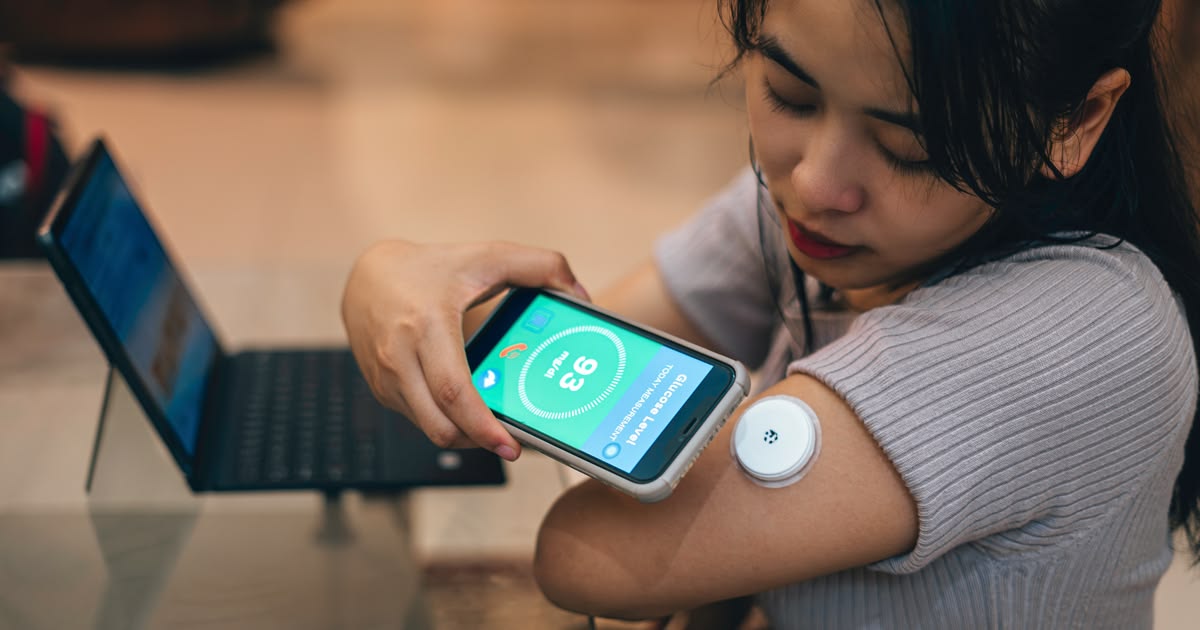
Medicare Now Covers Continuous Glucose Monitors — Here’s What Seniors Need to Know
For decades, managing diabetes meant the same daily ritual: prick a finger, squeeze out a drop of blood, wait for a number. Multiple times a day, every day, for years. It’s uncomfortable, it’s inconvenient, and for many seniors with arthritis or vision problems, it’s genuinely difficult to do safely.
That routine is no longer the only option — and a lot of people on Medicare don’t yet know it.
The Coverage Expansion That Changed Everything
In 2023, the Centers for Medicare & Medicaid Services (CMS) significantly broadened who qualifies for a continuous glucose monitor, or CGM, under Medicare Part B. Before that update, coverage was largely limited to people who used insulin. Today, that’s no longer the only path to qualifying.
Under current Medicare rules, Part B covers a CGM and its related supplies — sensors, transmitters, and the reader or compatible smartphone app — as durable medical equipment (DME) if a doctor prescribes one and the beneficiary meets at least one of two conditions:
-
You are treated with insulin (any type, any amount), or
-
You have a documented history of problematic hypoglycemia (dangerously low blood sugar), even if you don’t take insulin
That second category is the game-changer. It means beneficiaries managing Type 2 diabetes with oral medication, or even diet and lifestyle alone, may now qualify if their blood sugar has dropped into risky territory in the past.
What a CGM Actually Does
A continuous glucose monitor is a small sensor, usually worn on the arm or abdomen, that automatically tracks glucose levels around the clock — day and night — without a single finger stick. It sends real-time readings to a receiver or smartphone app, often with alerts if levels climb too high or drop too low while you sleep.
For seniors, that alert function alone can be life-changing. Nighttime hypoglycemia is one of the more dangerous and under-recognized risks for older adults with diabetes, and a CGM can catch a dangerous drop long before symptoms become severe enough to notice.
Beyond safety, many users describe the day-to-day difference in simpler terms: no more fumbling with lancets, test strips, and glucometers throughout the day. Just a glance at a phone or reader.
Which Devices Does Medicare Cover?
Medicare-approved CGM systems currently include several widely used devices, such as the Dexcom G6 and G7, the FreeStyle Libre 2 and Libre 3, and the Eversense implantable CGM. Your prescribing doctor will typically recommend the device that best fits your treatment plan, dexterity, vision needs, and lifestyle.
What Does It Actually Cost?
This is where a lot of the confusion — and unfortunately some misleading claims online — comes in. Medicare covers CGMs as durable medical equipment under Part B, which means standard Part B cost-sharing applies. In practice, that means:
-
You’ll typically pay 20% coinsurance of the Medicare-approved amount after meeting your annual Part B deductible
-
If you have a Medicare Supplement (Medigap) plan, that coinsurance may be reduced or eliminated depending on your specific plan
-
If you’re enrolled in a Medicare Advantage plan, your plan must offer coverage at least as good as Original Medicare, though your specific copay or coinsurance structure may differ
-
Using a Medicare-enrolled supplier who accepts assignment matters — it’s the difference between predictable costs and unexpected bills
In other words, a CGM isn’t automatically “free,” but for many seniors the out-of-pocket cost is a fraction of what it would be paying entirely out of pocket, and far less than the long-term cost of complications from unmanaged blood sugar swings.
How to Find Out If You Qualify
Getting started doesn’t require navigating a maze of paperwork on your own. Here’s the general path:
-
Talk to your doctor. Bring up your glucose control history, including any episodes of low blood sugar, even mild ones. This conversation is the starting point for everything.
-
Get evaluated. Medicare requires a visit with your provider to confirm eligibility and make sure a CGM is appropriate and that you (or a caregiver) can be trained to use it.
-
Get a written order. Your doctor documents the prescription according to the device’s FDA-approved indications for use.
-
Choose a Medicare-enrolled supplier. Confirm the supplier accepts Medicare assignment before you commit, so you know exactly what you’ll owe.
-
Stay on schedule. Medicare generally requires a follow-up visit every six months to confirm the CGM remains medically necessary and that you’re using it as directed.
Why So Many Seniors Are Just Now Hearing About This
Coverage rules changed in 2023, and CMS and Medicare Advantage plans have continued refining access and reducing administrative hurdles like prior authorization requirements since then. But policy changes don’t always translate into public awareness — especially for beneficiaries who were told “no” years ago and never asked again.
If you or someone you love was previously denied a CGM because you weren’t on insulin, it may be worth revisiting that conversation with your doctor. The rules today are not the rules from a few years ago.
The Bottom Line
Managing diabetes as a senior shouldn’t mean choosing between safety and simplicity. Medicare’s expanded CGM coverage was designed specifically to close that gap — giving more beneficiaries access to real-time glucose tracking, fewer finger sticks, and an extra layer of protection against dangerous blood sugar swings.
The most important step is also the simplest one: ask your doctor if you qualify. A five-minute conversation at your next appointment could be the difference between guessing how your blood sugar is doing and actually knowing, moment to moment, day and night.
This article is for general informational purposes and does not constitute medical or insurance advice. Coverage details can vary by individual circumstances, supplier, and plan. Always confirm current eligibility and costs directly with Medicare.gov or your plan provider.