Affordable Lawn Care Options: What to Know
Maintaining a neat, healthy yard offers real pride of ownership, but traditional yard work requires substantial physical stamina, time, and ongoing expenses. For older adults aging in place, managing a lawn can quickly shift from an enjoyable outdoor hobby to a heavy physical burden or financial strain.
Finding affordable lawn care does not mean choosing between an overgrown yard and an expensive long-term contract. By understanding service options, adopting low-maintenance landscaping, and comparing local providers, seniors and caregivers can keep outdoor spaces safe and attractive while controlling overall costs.
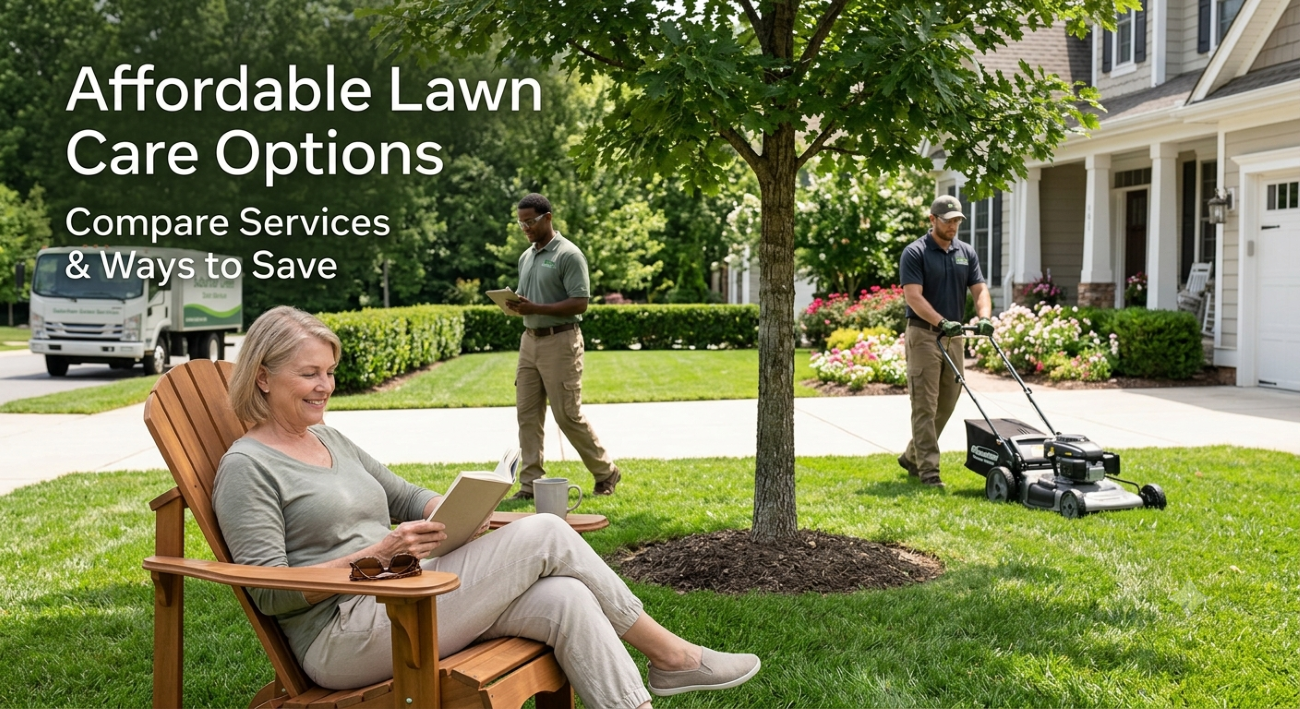
Why Lawn Maintenance Can Become More Difficult Over Time
Physical changes—such as reduced mobility, joint pain, or lowered stamina—make pushing a mower, pulling starter cords, or maneuvering heavy equipment risky. Overgrowth, unchecked weeds, and scattered fallen branches also create slipping or tripping hazards.
Outsourcing or simplifying lawn care for seniors helps preserve independence, eliminates safety hazards around entryways, and avoids potential code-enforcement notices from municipalities or home-owners associations (HOAs).
Affordable Lawn-Care Options to Consider
Depending on physical capabilities, budget, and yard size, households can balance independence and hired help in several ways:
-
DIY Care with Modernized Tools: Using lightweight, push-button cordless battery mowers or robotic mowers eliminates the pull-cord strain and exhaust of gas engines.
-
Targeted / Task-Specific Help: Hiring a provider strictly for heavy tasks (such as mowing or aeration) while handling lighter gardening by hand keeps costs lower than a full-service package.
-
Occasional / One-Time Mowing: Scheduling ad-hoc visits during peak growth spurts or vacation periods rather than committing to weekly service.
-
Recurring Lawn Services: Engaging a service for regular biweekly visits. Recurring schedules often provide a lower per-visit cost than one-time calls.
Comparing Lawn-Care Approaches
|
Option |
Typical Services Included |
Potential Advantage |
Primary Cost Consideration |
|---|---|---|---|
|
DIY Maintenance |
Self-mowing, edging, basic weeding |
Complete control; zero labor fees |
Upfront cost for lightweight or battery-powered tools |
|
Occasional Mowing |
On-demand grass cutting and trimming |
Pay only when the lawn needs attention |
Higher single-visit rates than scheduled contracts |
|
Recurring Mowing |
Scheduled cutting, edging, and blowing |
Consistent curb appeal; predictable expense |
Cumulative monthly cost throughout the growing season |
|
Seasonal Cleanup |
Fall leaf raking, spring bed clearing |
Tackles the most physically demanding seasonal work |
One-time seasonal expense; prices depend on yard debris volume |
|
Full-Service Care |
Mowing, fertilizing, weed control, pruning |
Hands-off yard upkeep year-round |
Premium ongoing cost; may include unnecessary add-on treatments |
|
Low-Maintenance Yard |
Mulching, ground cover, native planting |
Reduces grass area, mowing frequency, and water needs |
Initial conversion expense; yields long-term savings |
Low-Maintenance Landscaping Ideas
Converting high-maintenance turf into simpler landscape features is one of the most effective ways to establish a low maintenance lawn:
[Traditional High-Maintenance Turf]
                  │
                  ▼  (Landscape Redesign)
┌─────────────────┼─────────────────┐
│                 │                 │
▼                 ▼                 ▼
[Mulch Beds]    [Native Plants]   [Perennial Ground Cover]
(Suppresses      (Drought-resistant, (Eliminates mowing;
 weeds)          minimal care)      requires minimal trimming)
-
Reduce Grass Footprint: Expand mulch or gravel beds around trees and property borders to minimize the square footage of turf that requires mowing.
-
Plant Native Species: Native plants thrive in local soil and climate conditions, requiring less supplemental watering, fertilizer, and pest control.
-
Install Perennial Ground Cover: Replacing difficult turf areas (such as steep slopes) with ground covers like creeping thyme or clover eliminates mowing altogether.
-
Use Quality Mulch: A 2- to 3-inch layer of organic mulch retains soil moisture, regulates root temperature, and suppresses weeds, cutting down on manual weeding.
Practical Ways to Reduce Lawn-Care Costs
If hiring lawn care services, strategic choices help keep expenses manageable:
-
Opt for Biweekly Over Weekly Cutting: Many lawns—especially during hotter or drier months—do not require weekly cuts. Switching to a biweekly schedule can reduce labor bills significantly.
-
Decline Unnecessary Add-Ons: Skip automated chemical application packages, cosmetic aeration, or frequent dethatching unless your soil conditions explicitly require them.
-
Neighbors Bundling Services: If several houses on the block use the same provider, ask if the crew offers neighborhood group discounts to save on route travel time.
-
Keep Heights Slightly Higher: Cutting grass at a higher setting (3 to 4 inches) promotes deeper root growth, shades out weed seeds naturally, and retains moisture, saving on watering and treatment expenses.
Community and Assistance Programs to Research
In some areas, community resources provide seasonal or basic lawn assistance for older adults or individuals with limited mobility:
-
Volunteer & Youth Groups: Initiatives like Raising Men & Women Lawn Care Service or local Boy/Girl Scout troops occasionally assist seniors with grass cutting or leaf raking free of charge.
-
Faith-Based & Civic Organizations: Local churches, Lions Clubs, or neighborhood associations sometimes organize seasonal cleanup days for aging community members.
-
Local Agencies on Aging: City or county senior services may maintain lists of vetted, low-cost contractors or local chore-assistance programs.
Note: Free or subsidized yard services are dependent on local volunteer capacity and are not universally available in every municipality. Always contact local agencies directly to verify eligibility criteria, service areas, and waiting lists.
Cost-Saving Checklist Before Hiring
Use this checklist to secure reliable, low cost lawn care:
-
[ ] Gather Multiple Quotes: Obtain itemized estimates from at least three local senior lawn services or independent contractors.
-
[ ] Confirm Included Services: Ensure the quote specifies whether edging, string-trimming, and hard-surface blowing are included.
-
[ ] Check Contract Flexibility: Avoid rigid annual commitments if you only need seasonal help; verify cancellation notice periods.
-
[ ] Ask About Senior Discounts: Inquire directly if the business offers promotional rates or senior citizen discounts.
-
[ ] Verify Insurance: Ensure the contractor holds general liability insurance to protect against property damage or equipment accidents.
-
[ ] Clarify Waste Disposal Fees: Ask whether green waste/bagged leaves are hauled away as part of the base rate or if disposal incurs an extra fee.
FAQ
How can seniors save money on lawn care?
Seniors can reduce costs by switching from weekly to biweekly mowing, opting for basic cut-and-trim services rather than full treatment packages, reducing turf area with low-maintenance landscaping, and comparing quotes from local independent contractors.
What is the cheapest way to maintain a lawn?
The most economical method is combining a simple, low-maintenance yard design (using mulch beds and drought-tolerant plants) with lightweight DIY battery equipment or hiring a neighborhood service strictly for basic grass cutting.
How often should a lawn be mowed?
During peak spring growth, cool-season grasses may need mowing every 7 to 10 days. During summer heat or slower growth periods, biweekly mowing (every 14 days) is typically sufficient and more cost-effective.
Is hiring a lawn service worth it?
For older adults with mobility limitations, joint pain, or cardiovascular concerns, hiring a service prevents heat exhaustion and fall injuries while ensuring local property standards are met.
Can I hire someone just to mow my lawn?
Yes. Many independent providers and affordable lawn mowing services offer basic “mow, edge, and blow” visits without forcing customers into full-service chemical or landscaping contracts.
How can I make my yard easier to maintain?
Shrink the lawn size by adding hardscaping, gravel pathways, mulch borders, and native perennial plants. Replacing high-fussy grass with low-growing ground cover reduces both watering and mowing needs.
Where can I look for local yard-care assistance?
Contact local senior centers, the Area Agency on Aging, municipal social service departments, or local faith-based organizations to inquire about available volunteer chore programs or recommended contractors.
What should I ask a lawn-care company before hiring them?
Ask what specific tasks are included in the base rate, whether they carry liability insurance, if there are long-term contract requirements, and whether they offer senior discounts or biweekly scheduling options.
Conclusion
Keeping a neat yard doesn’t have to strain your physical health or retirement budget. By prioritizing task-specific services, transitioning toward low-maintenance landscaping, and getting clear estimates from local providers, older adults can maintain curb appeal safely and affordably.