7 Risky Places To Never Use a Debit Card: Payment Security Awareness and Financial Protection Tips
Using a debit card in certain situations may increase exposure to financial fraud, unauthorized transactions, card skimming, or account access risks. Payment security experts often recommend being cautious when using debit cards at unfamiliar terminals, public payment stations, unsecured websites, or high-risk transaction environments. Understanding payment safety practices, transaction monitoring, ATM security awareness, online checkout protection, and alternative payment methods can help individuals reduce financial security risks connected to debit card usage.
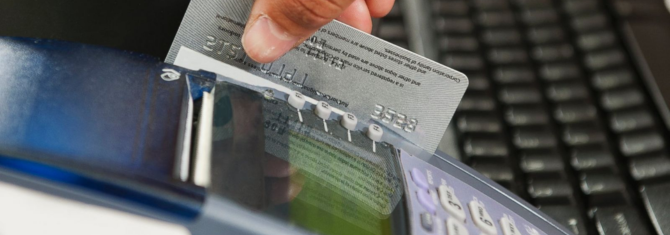
Overview of Debit Card Security Risks
Debit cards are widely used for everyday purchases, online transactions, and ATM withdrawals. However, certain payment environments may expose cardholders to increased risks involving unauthorized transactions, card skimming, data theft, or account access concerns. Because debit cards are directly connected to bank accounts, fraudulent activity can potentially affect available account balances immediately.
Why Debit Card Safety Matters
Debit card transactions commonly involve direct access to personal banking funds. Payment security awareness helps individuals understand how certain transaction environments may increase exposure to:
-
Card skimming
-
Data theft
-
Unauthorized purchases
-
Account compromise
-
Financial fraud attempts
Awareness of higher-risk situations may help improve payment security habits.
Gas Stations With Unsecured Card Readers
Fuel stations are frequently discussed in payment security reports because outdoor card terminals may sometimes become targets for skimming devices. Skimming devices are unauthorized tools placed over or inside payment readers to capture card information during transactions.
Why Outdoor Payment Terminals May Be Riskier
Outdoor payment stations may:
-
Receive less frequent inspection
-
Operate in lower-visibility environments
-
Remain unattended for long periods
-
Use older payment equipment in some locations
Security experts often recommend inspecting card readers before use.
Signs of Possible Card Reader Tampering
Some individuals check for:
-
Loose card slots
-
Broken security seals
-
Unusual attachments
-
Misaligned keypad components
Physical irregularities may indicate tampering attempts.
Public Wi-Fi Online Purchases
Using debit cards while connected to unsecured public Wi-Fi networks may expose financial information to security risks involving data interception or fake network activity.
Risks Associated With Public Networks
Public internet networks in locations such as:
-
Cafés
-
Airports
-
Hotels
-
Shopping centers
may not always provide strong data protection.
Safer Online Payment Practices
Many security professionals recommend:
-
Using secure private networks
-
Checking website security indicators
-
Avoiding sensitive banking activity on public Wi-Fi
-
Monitoring account activity after transactions
Secure connections may help reduce exposure to online payment risks.
Unfamiliar ATM Machines
ATMs located in isolated or unfamiliar areas are commonly associated with increased fraud concerns involving skimming devices or hidden cameras.
Higher-Risk ATM Locations
Some payment security discussions highlight risks connected to:
-
Poorly lit ATM locations
-
Temporary event ATMs
-
Isolated standalone machines
-
Machines without visible bank branding
Bank-operated indoor ATMs are often viewed as more secure environments.
ATM Security Awareness
Individuals commonly review:
-
Card slot condition
-
Surrounding activity
-
Unexpected keypad overlays
-
Unusual device attachments
Monitoring ATM surroundings may improve transaction awareness.
Suspicious Online Shopping Websites
Entering debit card information on unfamiliar websites may increase exposure to:
-
Fraudulent transactions
-
Fake online stores
-
Data theft attempts
-
Payment information compromise
Online payment scams continue to affect internet shoppers globally.
Warning Signs of Suspicious Websites
Consumers often look for:
-
Missing contact information
-
Poor website design quality
-
Unsecured checkout pages
-
Unusual payment requests
-
Lack of secure connection indicators
Researching unfamiliar websites before entering payment details is commonly recommended.
Bars, Restaurants and Places Where Cards Leave Your Sight
Payment security specialists sometimes recommend caution in environments where debit cards may temporarily leave the cardholder’s view during payment processing.
Risks Associated With Out-of-Sight Transactions
Potential concerns may involve:
-
Unauthorized copying of card details
-
Additional unauthorized charges
-
Manual card information recording
Portable payment terminals have reduced these situations in many regions, but awareness remains important.
Safer Payment Habits
Some consumers prefer:
-
Contactless payment methods
-
Mobile wallet systems
-
Portable terminal transactions completed at the table
Direct transaction visibility may reduce security concerns.
Temporary Event Vendors and Pop-Up Payment Booths
Large events, markets, festivals, and temporary retail booths sometimes use portable payment systems that may vary in security standards.
Why Temporary Payment Environments May Carry Risks
Temporary vendors may operate:
-
Mobile payment readers
-
Shared wireless connections
-
Short-term sales systems
-
Rapid setup payment equipment
Security standards may differ between vendors and payment systems.
Payment Safety Considerations
Consumers commonly review:
-
Visible business identification
-
Secure payment terminals
-
Contactless payment options
-
Receipt availability
Awareness of payment handling procedures may help improve transaction security.
Phone Calls Requesting Debit Card Information
Financial fraud attempts frequently involve phone calls claiming to represent:
-
Banks
-
Government agencies
-
Delivery companies
-
Technical support organizations
Scammers may request debit card information or banking details directly over the phone.
Common Fraud Call Techniques
Fraud attempts may involve:
-
Urgent payment requests
-
Threat-based communication
-
Requests for verification codes
-
Claims involving suspicious account activity
Unexpected financial requests are commonly treated cautiously.
Safer Verification Practices
Many individuals verify requests by:
-
Contacting organizations directly through official channels
-
Reviewing account notifications independently
-
Avoiding sharing financial information during unsolicited calls
Independent verification may reduce fraud exposure.
Debit Card Fraud and Account Monitoring
Regular account monitoring is commonly recommended for identifying:
-
Unrecognized transactions
-
Duplicate charges
-
Small unauthorized purchases
-
Unusual withdrawal activity
Many financial institutions provide transaction alerts and digital account notifications.
Mobile Banking and Transaction Alerts
Banking applications commonly support:
-
Instant purchase notifications
-
ATM withdrawal alerts
-
Account activity monitoring
-
Fraud reporting features
Digital banking tools may help individuals track account activity more efficiently.
Contactless Payments and Mobile Wallets
Contactless payment systems and mobile wallets are increasingly used as alternatives to traditional card swiping methods.
Mobile Payment Features
Mobile wallet systems may include:
-
Device authentication
-
Tokenized payment systems
-
Biometric security features
-
Encrypted transaction methods
Security structures vary depending on device and provider.
Difference Between Debit and Credit Card Fraud Protection
Debit cards and credit cards may involve different fraud handling procedures because debit cards are connected directly to checking accounts.
Why Some Consumers Prefer Credit Cards for Certain Purchases
Credit cards may provide:
-
Separate billing cycles
-
Delayed bank account impact
-
Fraud dispute procedures
-
Additional purchase protections on some accounts
Financial product structures differ between institutions and regions.
Online Shopping Security Awareness
Consumers commonly improve online payment security by:
-
Using strong passwords
-
Avoiding reused credentials
-
Updating devices regularly
-
Monitoring financial accounts frequently
Digital security awareness plays an important role in online transactions.
Card Skimming Awareness and Prevention
Card skimming remains one of the most discussed payment fraud methods connected to:
-
Fuel stations
-
ATM machines
-
Outdoor payment terminals
Security organizations frequently recommend visual inspection of payment devices before use.
Banking Security Features
Financial institutions commonly provide:
-
Fraud monitoring systems
-
Transaction verification alerts
-
Temporary card lock options
-
Purchase notifications
-
Multi-factor authentication systems
Security features vary between banks and payment providers.
Travel and International Payment Awareness
Travelers commonly review payment safety practices when using debit cards internationally, especially in:
-
Tourist-heavy regions
-
Temporary payment environments
-
Foreign ATM locations
-
International public networks
Payment security habits may help reduce financial risks during travel.
Why Debit Card Awareness Matters
Debit cards provide convenient access to banking funds, but security awareness is important because unauthorized activity may directly affect available account balances. Understanding higher-risk payment situations may help individuals make more informed payment decisions.
Importance of Reviewing Account Statements Regularly
Many individuals regularly review:
-
Banking statements
-
Transaction history
-
Purchase notifications
-
ATM withdrawal records
Frequent monitoring may help identify suspicious activity earlier.
What Makes Certain Payment Locations Riskier
Certain environments may carry greater payment security concerns because of:
-
Reduced monitoring
-
Older payment equipment
-
Temporary setups
-
Public network exposure
-
Increased fraud targeting activity
Awareness of these situations may support safer financial habits.